





About Business Sprinkler Alliance
Better protection | Better business


The Business Sprinkler Alliance (BSA) is a coalition organisation established in 2010 to increase the number of businesses that have fire sprinklers fitted in their premises.
The BSA advocates greater resilience on the part of businesses, driving a culture change that means sprinklers are accepted as standard for commercial and industrial premises in the UK.
BSA aims to:
- Deliver robust information and insight into the benefits of fire sprinklers and the critical importance of fire prevention.
- Increase consideration of fire sprinklers by those who design, construct and approve new business buildings.
- Ensure business decision makers appreciate the role that fire sprinklers can play in physical and commercial resilience.
- Continue dialogue with regulators and legislators to review existing evidence and law, supporting the sprinkler case.
- Drive widespread awareness of fire sprinklers to effect a culture change for their acceptance and adoption.
The founding members of BSA include:
- National Fire Chiefs Council (NFCC).
- National Fire Sprinkler Network (NFSN).
- European Fire Sprinkler Network (EFSN).
- Fire Protection Association (FPA).
- British Automatic Fire Sprinkler Association (BAFSA).
- FM Global.
A series of articles have been published on Designing Buildings Wiki, extracted from The impact of automatic sprinklers on building design, an independent report produced by WSP, sponsored by the Business Sprinkler Alliance (BSA) and published in September 2017:
- BS 9999 Automatic sprinkler design compensation benefits.
- Case study A for offices to show where automatic sprinklers have the greatest impact.
- Case study B for offices to show where automatic sprinklers have the greatest impact.
- Costs of water automatic sprinkler systems.
- Design benefits of automatic sprinkler systems granted under approved document B.
- Overview of automatic sprinkler system design and operation.
- The cost efficiency of different combinations of fire protection measures.
- The impact of automatic sprinklers on building design.
Featured articles
Check out some of the best features and news from Designing Buildings as well as key stories from around the web.

Gasholders: a history in pictures. Book review.
Recognition, influence and growth

SocEnv identifies three strategic pillars in new strategy to 2045.
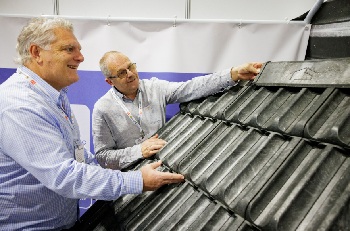
Discover the future of roofing, cladding and insulation.
New guidance for professional practice, cultural change and regulation in social housing.
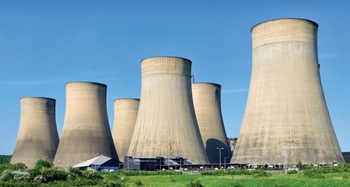
The heritage of nuclear and conventional power stations.
New measures to stop people being ripped off

Government to protect families from cowboy builders and aggressive bailiffs.

New Futurebuild showcase brings an innovation-first approach.
National Planning Policy Framework
Understanding the 2026 changes.
ECA's public affairs priorities

Member consultation opens to shape priorities for 2027 to 2030.

Dutyholder responsibilities from 1 July 2026.
Where performance meets practice

The Building Envelope Stage at UKCW Birmingham.

CIAT publishes briefing on planning reforms.